 For decades, Michigan no-fault carriers operated under a rigid, confusing, and often frustrating limitation: recovery of Personal Injury Protection (PIP) benefits was largely confined to the narrow statutory framework of M.C.L.A. § 500.3116. That statute carefully circumscribes when a carrier may obtain reimbursement of a lien against its insured’s tort recovery, and Michigan courts historically interpreted it as an equally strict limitation on a carrier’s ability to pursue subrogation claims against third parties, particularly non-motorist tortfeasors. That landscape has now shifted in a meaningful way.
In Call v. L & KJ Enterprises, LLC, a special conflict panel of the Michigan Court of Appeals overruled Citizens Ins. Co. v. Pezzani & Reid Equip. Co., and held that § 500.3116 does not bar a PIP carrier from directly pursuing a negligence subrogation action against a non-motorist tortfeasor. The decision restores a long-dormant avenue of recovery for PIP carriers against nonmotorist tortfeasors, allowing them to proceed directly against negligent third parties such as property owners, contractors, product manufacturers, and other non-motorist actors whose conduct contributes to a motor vehicle accident.
The panel concluded that § 500.3116 governs only an insurer’s right to reimbursement from a claimant’s tort recovery, not an insurer’s independent subrogation claim against a nonmotorist tortfeasor. The Court emphasized the statute’s repeated references to reimbursement “from the claimant” and repayment “out of the recovery,” concluding that prior caselaw improperly expanded the statute beyond its text.
Importantly, the procedural posture of Call itself strongly suggests that a carrier need not file a completely separate action in order to pursue recovery against a non-motorist tortfeasor. In Call, Frankenmuth intervened directly into the insureds’ negligence action as a subrogee and asserted its own negligence claim against the third-party defendant for the amount of PIP benefits it paid. The Court repeatedly emphasized that the carrier was not seeking reimbursement from the insureds’ recovery, but instead was pursuing direct recovery from the non-motorist tortfeasor itself. As a result, post-Call, carriers should be able to intervene in an insured’s pending tort action and pursue an affirmative subrogation claim against the non-motorist defendant, provided the carrier clearly frames its claim as a direct action against the tortfeasor rather than an attempt to obtain reimbursement from the insured’s recovery under § 500.3116.
At first glance, Call appears to be a significant win for carriers. It opens the door to filing direct subrogation claims in cases that were previously viewed as unrecoverable because the alleged tortfeasor was not operating a motor vehicle. For example, accidents involving defective road conditions, negligent snow removal, unsafe premises, or product failures may now support direct subrogation actions by the PIP carrier. However, the decision does not alter the existing limitations applicable to claims against motorist tortfeasors under M.C.L.A. § 500.3116. This represents a meaningful expansion of potential recovery opportunities, particularly in catastrophic loss cases where PIP exposure is substantial.
However, the practical implications of this new right reveal a more complicated and potentially problematic reality. The decision creates a bifurcated system in which a carrier’s right to pursue direct subrogation against a non-motorist exists independently from its right to reimbursement from the insured’s tort recovery, which remains governed strictly by § 500.3116. This distinction introduces a new layer of litigation complexity that carriers must carefully navigate.
The most significant challenge arises when the carrier initiates a direct subrogation action against a non-motorist tortfeasor, only to have its own insured intervene in the case and assert competing rights. Under Michigan law, the insured may continue to assert independent tort claims against the tortfeasor, including to recover damages for noneconomic loss and, in certain cases, excess economic damages. When both the insurer and the insured are pursuing recovery arising out of the same underlying tort, conflicts over control of the litigation, allocation of damages, and priority of recovery become inevitable.
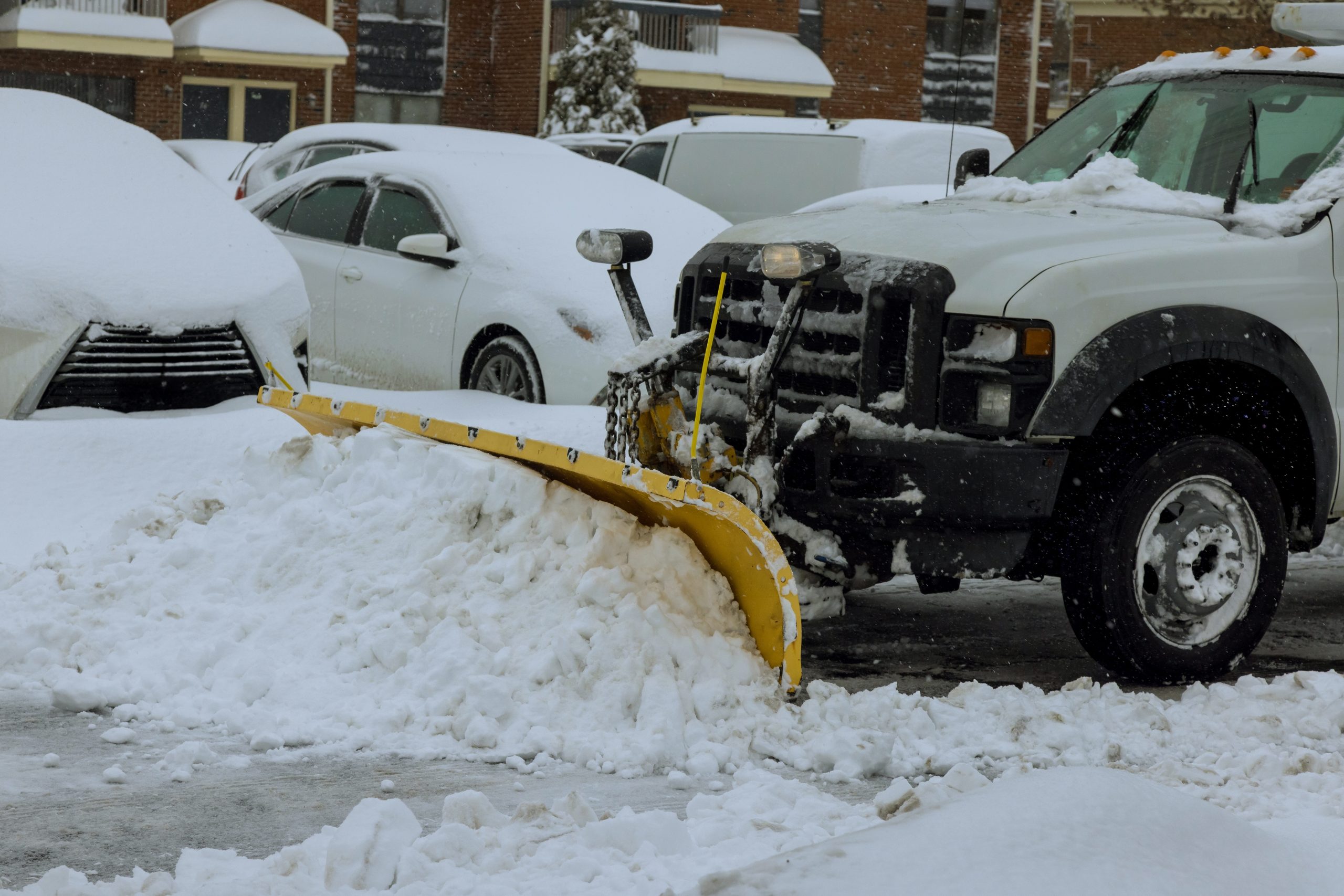 In practice, this scenario can unfold in a number of ways. For example, a snow removal company may negligently fail to clear ice and snow from a commercial parking lot or private roadway, resulting in a collision between two drivers. If either driver sustains injuries and receives PIP benefits, that driver’s no-fault carrier may now have the ability, under Call, to pursue a direct subrogation claim against the snow removal contractor as a non-motorist tortfeasor whose alleged negligence contributed to the accident. In that circumstance, the injured driver may simultaneously pursue his or her own tort claims for noneconomic damages and excess economic losses, while the carrier seeks recovery of the PIP benefits it paid. As a result, the carrier’s subrogation claim no longer proceeds in isolation, but instead becomes intertwined with the insured’s broader tort action, creating potential disputes regarding litigation strategy, settlement, allocation of damages, and priority of recovery.
These competing interests can create tension between the carrier and its insured. The insured may argue that the carrier’s recovery should be subordinated to the insured’s own damages, particularly where the insured’s losses exceed available insurance coverage or collectible assets. Conversely, the carrier may seek to maximize its own recovery of PIP benefits, potentially at the expense of the insured’s interests. Without a coordinated approach, these conflicts can undermine the efficiency and effectiveness of the litigation, and in some cases, jeopardize recovery altogether.
The situation is further complicated by the fact that § 500.3116 continues to limit the carrier’s ability to obtain reimbursement from the insured’s recovery from non-motorist tortfeasors. While Call allows the carrier to pursue a direct action, it does not expand the statutory right to reimbursement. As a result, if the insured settles with the tortfeasor independently before the carrier asserts its own subrogation interest, the carrier may face an uphill battle to recover unless it has preserved its rights through direct litigation, intervention, adequate notice, or agreement. This creates a potential race to resolution dynamic and increases the importance of early and strategic involvement in the claim. It also significantly emphasizes the value in having subrogation counsel involved immediately for these reasons.
Given these challenges, the most effective way to navigate the post-Call environment is through early coordination with the insured and the use of Joint Prosecution Agreements. These agreements allow the carrier and the insured to align their interests, define their respective rights, and establish a framework for pursuing recovery collaboratively rather than competitively.
A well-drafted Joint Prosecution Agreement can address several key issues. It can establish who will control the litigation, how decisions regarding settlement will be made, and how any recovery will be allocated between the carrier and the insured. It can also address the sharing of litigation costs and expenses, ensuring that both parties have a clear understanding of their financial responsibilities. Perhaps most importantly, it can eliminate the uncertainty and conflict that would otherwise arise if the insured were to intervene in a carrier-initiated action or pursue a separate claim.
Early engagement with the insured is critical to making this approach work. Carriers should not wait until litigation is underway to address these issues. Instead, they should identify potential non-motorist subrogation opportunities as soon as a claim is reported and engage subrogation counsel to reach out to the insured to discuss a coordinated strategy and a written agreement between them. This proactive approach not only preserves the carrier’s rights but also fosters a cooperative relationship with the insured, which can be essential to achieving a successful outcome.
The Call decision represents a meaningful shift in Michigan no-fault law, restoring a valuable tool for PIP carriers seeking to recover benefits paid. However, it also introduces new complexities that require careful strategic planning. The ability to pursue direct subrogation against non-motorist tortfeasors is not a simple expansion of rights; it is a change that alters the dynamics of subrogation litigation and increases the potential for conflict with the insured.
Carriers that recognize these challenges and adapt accordingly will be best positioned to take advantage of the opportunities presented by Call. Michigan automobile subrogation is a confusing catastrophe born from the failed experiment of no-fault insurance. Those that proceed without a coordinated strategy risk finding themselves in litigation not only against the tortfeasor, but also in competition with their own insured. In this new landscape, success will depend as much on managing relationships and aligning interests as it does on proving liability and damages.
For more information on Michigan auto subrogation, contact Donald Henderson, Jr. at dhenderson@mwl-law.com.