 Insurers handling losses arising from the Amarillo “Stinky Fire” should act quickly to evaluate and preserve potential recovery claims. The fire, which reportedly originated at the City of Amarillo’s municipal landfill on May 17, 2026, may give rise to claims against governmental and private entities. However, claims against the City of Amarillo are likely subject to a 30-day notice requirement, making June 16, 2026, a critical date for carriers seeking to preserve potential recovery rights.
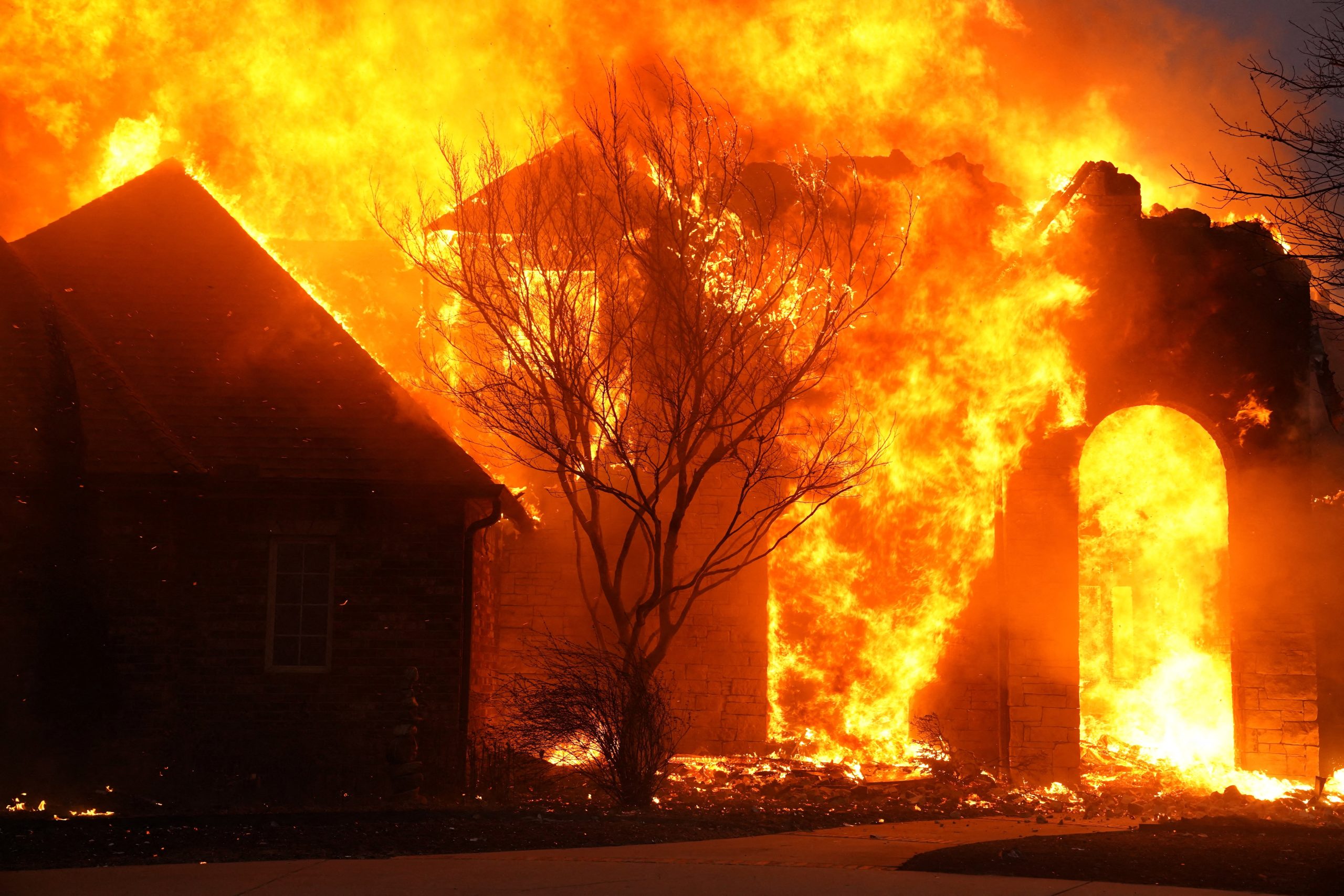
Public reports indicate the fire began at the City-owned landfill located at 16250 Bezner Road before spreading beyond the facility under high winds and Red Flag conditions. The fire ultimately burned approximately 2,300 acres and damaged or destroyed 77 homes, including more than 50 total losses. Affected areas reportedly include portions of ZIP Codes 79124 and 79108.
The cause of the fire remains under investigation. Preliminary information indicates the fire originated within the municipal landfill before escaping containment and spreading into neighboring residential areas. Investigators are expected to examine landfill operations, fire prevention measures, monitoring procedures, maintenance practices, and the conduct of any contractors involved in landfill operations or fire suppression efforts. As with many large wildfire events, liability may ultimately depend not only on how the fire started, but also whether reasonable steps were taken to prevent its spread.
Claims involving governmental entities often present unique challenges. Potential claims against the City of Amarillo may involve governmental immunity defenses, notice requirements, and other procedural issues that can significantly affect recovery rights. Although alternative legal theories may ultimately be available under certain circumstances, insurers should not assume those theories will excuse compliance with the applicable 30-day notice requirement here. Carriers should take steps now to preserve their rights while the investigation remains ongoing.
For that reason, carriers with losses arising from the Stinky Fire should strongly consider providing notice and evaluating potential recovery opportunities immediately rather than waiting for the cause-and-origin investigation to conclude. In catastrophic loss events such as this, important rights can be lost long before liability issues are fully understood.
History has shown that some of the largest subrogation recoveries in the country have arisen from wildfire losses that were initially viewed as unavoidable disasters. Utility companies, contractors, governmental entities, equipment operators, and other responsible parties have all faced substantial liability exposure following major wildfire events. While it remains too early to determine the ultimate cause of the Stinky Fire, insurers should proceed with the understanding that significant recovery opportunities may exist.
MWL is actively monitoring developments related to the Stinky Fire and evaluating potential avenues of recovery. Carriers with losses arising from this event should submit those claims for immediate review to ensure that all available subrogation rights are preserved before any applicable deadlines expire.