 The Hawai‘i Supreme Court has now definitively closed the door left slightly ajar after its 2025 wildfire decision. In Burnes v. Hawaiian Electric Co., the court held that property insurers whose insureds are part of a class action settlement have no independent equitable subrogation rights against the settling defendants and no right to intervene in the class proceedings to preserve them. Once the insured’s tort claim is resolved by settlement, the insurer is confined to the statutory lien remedy set forth in Haw. Rev. Stat. § 663-10—which functions as a collateral source rule by allowing an injured plaintiff to recover full damages from a tortfeasor without reduction for insurance benefits received, while simultaneously granting the insurer a statutory lien against that recovery to obtain reimbursement of amounts it paid.
The Burns decision makes clear that the procedural nuances of class actions do not alter the fundamental rule that subrogation is purely derivative. Even in a class setting where insureds may be passive or fail to submit claims, settlement still extinguishes the underlying tort claim and limits insurers to statutory lien-based recovery rather than independent subrogation rights.
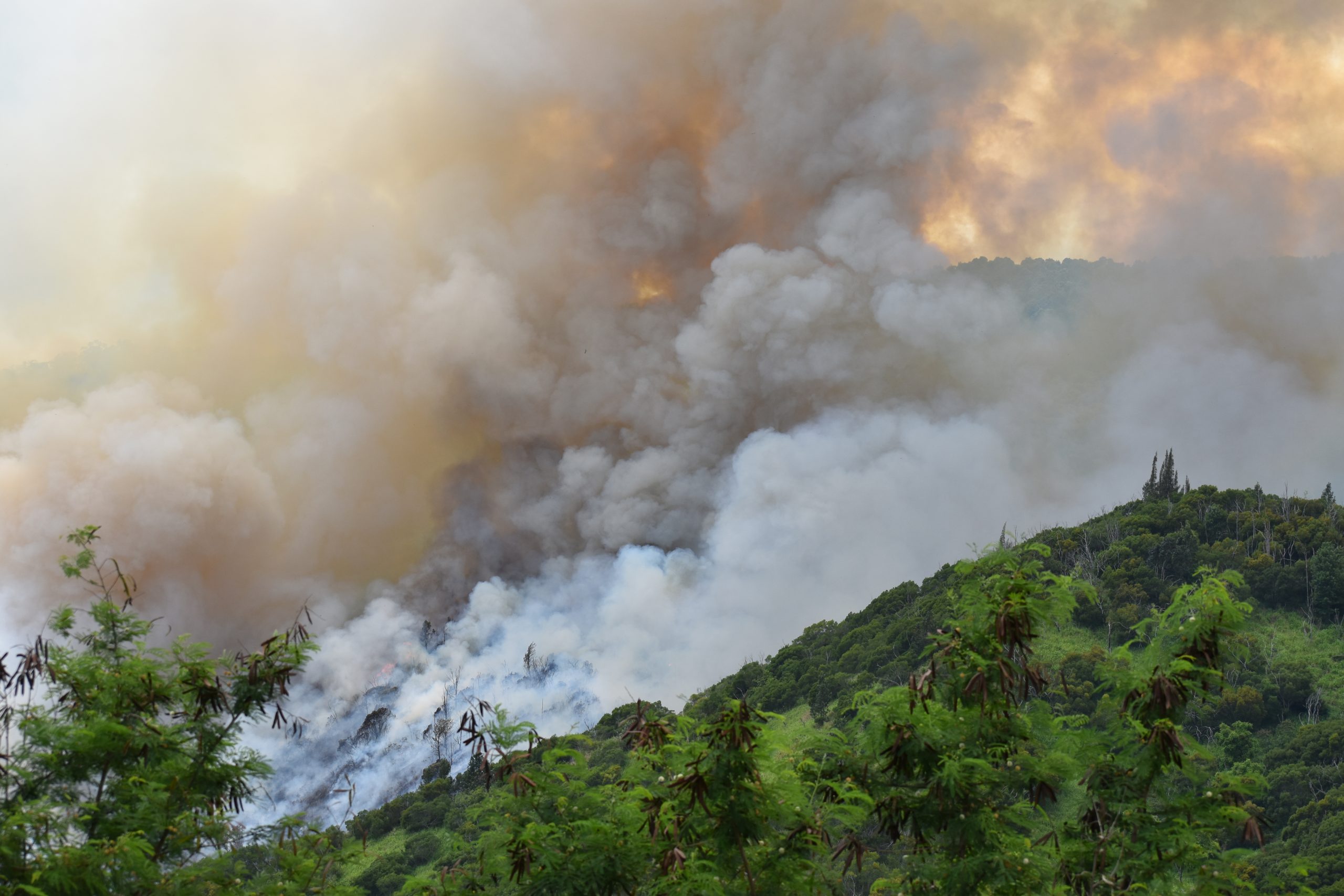
The case arose out of the global settlement of claims stemming from the catastrophic August 8, 2023 Maui wildfires. Following extensive litigation and mediation, the parties reached a comprehensive resolution that included both individual settlements and a class settlement. The class definition expressly excluded insurers, but the agreement allowed insurers to assert reimbursement claims against settlement proceeds, including the ability to file claims on behalf of insureds who failed to do so. Several subrogating insurers nonetheless sought to intervene, arguing that they retained equitable subrogation rights, particularly where insured class members failed to submit claims, and that the settlement impaired those rights without due process. The court rejected each argument.
The foundation of the decision is its reaffirmation of its 2025 ruling in In re Maui Fire Cases. There, the court held that when an insured settles with a tortfeasor, the insurer’s exclusive remedy is the statutory lien provided by Section 663-10, and not a separate subrogation action. In Burnes, the court extended that rule squarely to class action settlements. The statute applies to “any civil action in tort,” and the court interpreted that language broadly to include class actions without exception. A settlement is a settlement, regardless of procedural posture. The court emphasized that allowing insurers to pursue separate claims in the class context would undermine finality and threaten the viability of global settlements, which depend on the ability of defendants to secure comprehensive releases.
The most significant aspect of the opinion for property insurers is its rejection of the argument that equitable subrogation survives where class members do not file claims. Insurers contended that if an insured remains in the class but fails to submit a claim, there is no recovery to which a lien can attach, thereby reviving equitable subrogation. The court disagreed. It held that a class member’s entitlement to recover from the settlement fund constitutes recovery from the tortfeasor, regardless of whether the class member actually submits a claim. By remaining in the class and not opting out, the insured’s claim is resolved through settlement, and the insurer’s derivative rights are extinguished. The failure of an insured to participate in the claims process does not create new subrogation rights where none otherwise exist.
This reasoning is grounded in the derivative nature of subrogation. An insurer stands in the shoes of its insured and acquires no greater rights than the insured possesses. Once the insured’s claim is settled, there is no remaining cause of action against the tortfeasor to which the insurer can be subrogated. The court reiterated that equitable subrogation is only available where no settlement or judgment exists. When settlement occurs, the statutory lien framework governs exclusively.

The court also addressed and rejected the insurers’ due process arguments. Insurers asserted that because the settlement allowed them to file claims on behalf of non-claiming insureds, they should be treated as class members entitled to notice and opt-out rights. The court disagreed, holding that insurers were not members of the settlement class and that the claims process did not confer class status. The settlement did not adjudicate independent insurer rights because no such independent rights existed following settlement. Instead, the statutory scheme provides the exclusive mechanism for reimbursement. The court further noted that insurers have no constitutional right to prevent their insureds from settling claims, even where such settlement extinguishes subrogation rights.
Equally important is the court’s rejection of the argument that the size or adequacy of the settlement fund creates a right to intervene. The insurers argued that their economic interest in maximizing recovery justified participation in the proceedings. The court held that an economic interest alone is insufficient to establish a protectable interest under Haw. R. Civ. P. 24(a)(2). Allowing intervention on that basis would effectively give insurers veto power over settlements and would undermine the policy favoring resolution of complex litigation. The court also affirmed denial of permissive intervention under Haw. R. Civ. P. 24(b)(2), concluding that insurer participation would not assist in resolving the central issues of liability or the fairness of the settlement.
From a practical standpoint, the implications are significant. Property insurers handling large-scale losses in Hawai‘i must now recognize that once a settlement is reached, their role is limited to pursuing reimbursement through the statutory lien process or its functional equivalent within the settlement administration. The focus shifts away from litigation strategy and toward claims handling. Carriers must ensure timely identification of insureds within class proceedings, preserve lien rights, and actively participate in claims processes where available, including submitting claims on behalf of insureds when necessary.
The decision does leave intact one important protection. The court reaffirmed that insurers may challenge settlement allocations made in bad faith, particularly where damages are structured to minimize reimbursement rights. However, that protection is limited. It does not provide a basis to intervene in the settlement itself or to challenge the overall settlement amount. It is a narrow safeguard against manipulation, not a mechanism for broader participation.
The takeaway is straightforward. Hawai‘i has adopted a clear and uniform rule: settlement extinguishes equitable subrogation rights and limits insurers to statutory reimbursement remedies. The class action mechanism does not alter that rule, and the absence of a claim by an insured does not revive it. Insurers must adjust accordingly, recognizing that their recovery rights are tied to the settlement process itself and not to independent litigation against the tortfeasor.
Katherine Sandoval is the partner in charge of MWL’s Irvine, California office. For questions about pursuing subrogation in wildfire claims, contact Katherine at ksandoval@mwl-law.com.