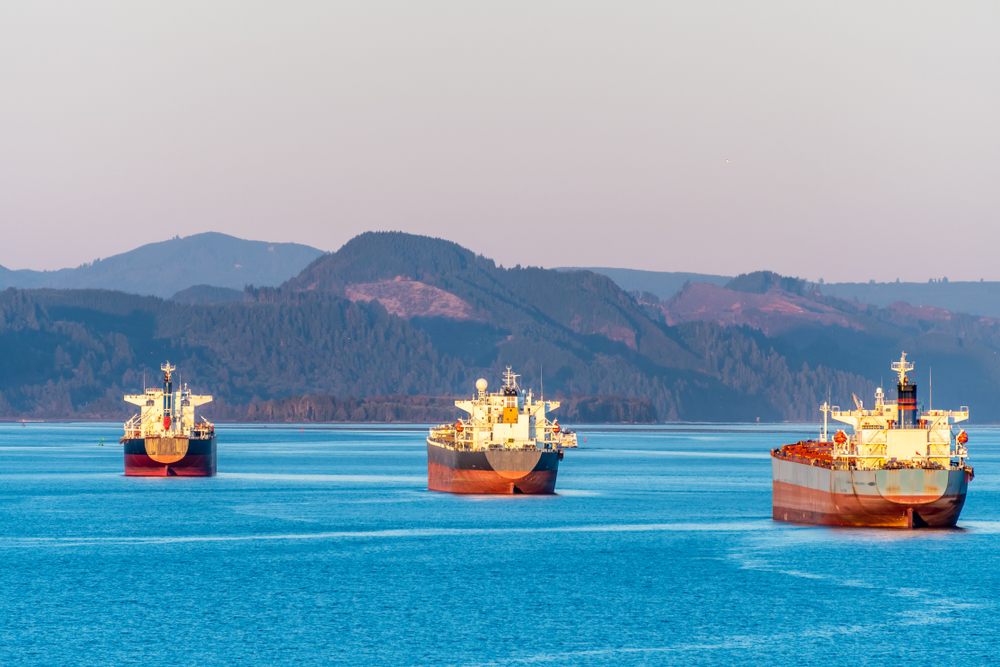
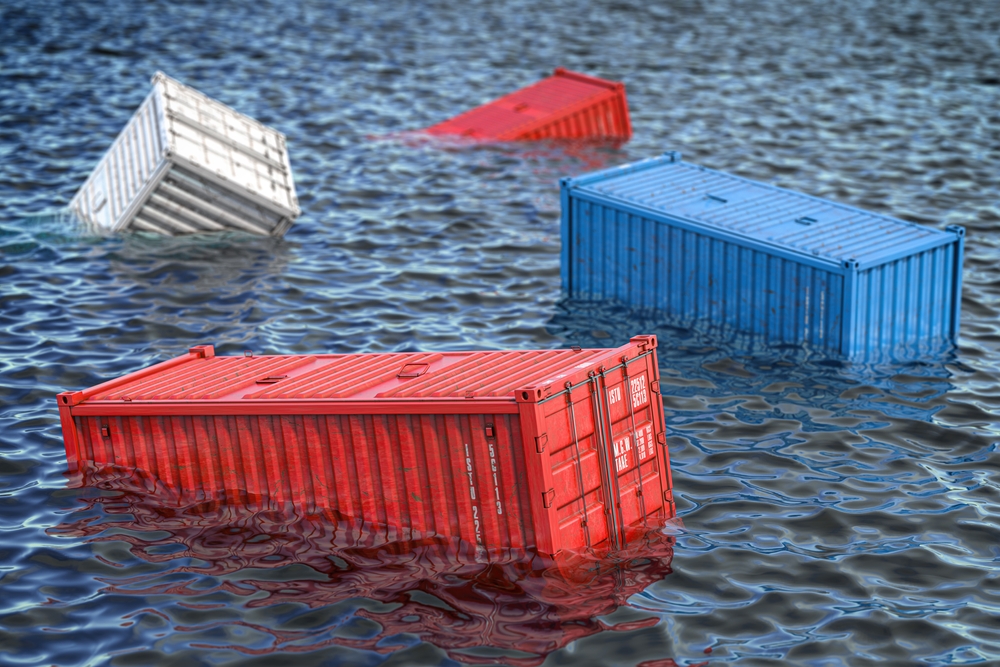
 On the morning of September 9, 2025, dozens of containers toppled from the Mississippi while alongside at the Port of Long Beach, with many seen floating in the harbor near Pier G. Early reports varied, with many indicating at least 67 containers entered the water and many more collapsed on deck. No injuries were reported, but cargo operations were temporarily suspended while responders secured the area and assessed pollution risk. For insurers, incidents like this are a flashing neon sign for subrogation potential. The facts will evolve, but the legal framework is well-settled, and time bars are unforgiving. Incidents like this will test the mettle of even the most experienced subrogation professionals.
Because the loss involves ocean carriage under a bill of lading, admiralty jurisdiction will apply, and the Carriage of Goods by Sea Act (COGSA) will govern for shipments to or from U.S. ports. COGSA imposes duties on carriers, including seaworthiness, proper manning and equipment, and care of cargo, while at the same time providing defenses and liability limitations. If an affected shipment was multimodal, involving an inland rail or trucking leg within the United States, questions may arise over whether COGSA extends inland or whether the Carmack Amendment applies to the domestic segment. Courts evaluate whether a through bill of lading successfully extends COGSA inland or whether Carmack governs the domestic leg. That allocation can radically change time limits, venue, and the measure of damages.
COGSA carries with it several powerful defenses and limitations that carriers will quickly invoke. Most important is the package limitation, which caps liability at five hundred dollars per package unless a higher value was declared and freight paid on that basis. What constitutes a package is often hotly contested and depends on the bill of lading. Some courts have treated a shipping container as a single package if the bill of lading lists “1” under the number of packages column without further breakdown, which can mean reducing a six-figure claim to a few hundred dollars. Carriers also rely heavily on enumerated defenses such as “perils of the sea” or “Act of God.” These defenses fail if negligence contributed to the loss, and the so-called “Q clause” requires the carrier to prove both the cause of the loss and that it was free from fault, a high bar in cases involving stowage, lashing, or weather-routing decisions. General average principles can also come into play if containers were jettisoned intentionally to save the voyage, potentially requiring cargo owners to contribute instead of recovering, though negligence can defeat a general average demand. In addition, vessel owners may seek to invoke the Limitation of Liability Act to cap overall exposure to the value of the vessel and pending freight, unless claimants can show knowledge or privity of the unseaworthy condition or negligent practices at the management level.
Subrogation potential nonetheless exists and should not be overlooked. Faulty stowage and lashing, exceeding stack weight limits, inadequate lashing plans, or failures to follow the Cargo Securing Manual all point to negligence. Issues with seaworthiness, such as poor equipment condition, crew competency, or flawed stability planning, can also be grounds for recovery. If voyage planning and weather routing decisions were careless, those may also defeat carrier defenses. Because early reports suggest this incident occurred while the ship was alongside during cargo operations, terminal or stevedore negligence may also play a central role. In such cases, subrogated insurers should scrutinize terminal receipts and stevedore contracts, keeping in mind that many of these contracts contain Himalaya clauses extending the carrier’s defenses to contractors. Where the inland leg of a through shipment is involved, Carmack may apply and allow recovery of the full actual loss rather than the COGSA package limit.
 There are, however, practical obstacles that must be addressed. The first is identifying the proper defendant or defendants. Liability may rest with the vessel owner, time or voyage charterer, “non-vessel operating common carrier” (NVOCC), ocean carrier, terminal or stevedore, or inland carriers, each governed by a different contract and set of liability shields. Package-count disputes are also frequent, with language in the bill of lading sometimes determining whether damages are capped at five hundred dollars total, five hundred dollars per unit, or more. Forum-selection and arbitration clauses may point to foreign courts, while inland carriage can shift the matter back into U.S. courts under Carmack. Strict deadlines loom: under COGSA, notice of damage often must be given within three days and suit must be filed within one year, while Carmack imposes a nine-month claim filing requirement and a two-year suit period. Cargo may also be withheld until general average bonds or deposits are posted, requiring insurers to contribute even while reserving rights to contest liability. Carriers may initiate limitation proceedings that require prompt filing of claims and early discovery on the carrier’s knowledge.
For insurers impacted by this incident, immediate subrogation preservation steps are essential. Bills of lading, service contracts, booking notes, stow plans, lashing plans, manifests, terminal receipts, and survey photos must be preserved immediately. Notice letters should be sent to all potentially responsible parties, including the ocean carrier, NVOCC, terminal, and inland carriers, and these should state a determinable amount, even if provisional, to comply with claim requirements. Joint surveys should be coordinated at the terminal or yard to document the condition of the containers before they are restacked or re-stuffed. Deadlines for notice and suit should be diarized now. Where package limitations are in play, valuation strategies should be examined closely to challenge the characterization of packages or rely on declared values where available.
Maritime cargo losses turn on documents, deadlines, and details. A coordinated legal and claim strategy often makes the difference between a nominal recovery capped at five hundred dollars and a meaningful recovery that reflects the true value of the loss. Incidents like the Long Beach container spill illustrate both the risks and the opportunities for insurers. For any insurer with potential claims arising from this event, it is critical to evaluate subrogation rights early and take steps to preserve them. For assistance in evaluating or pursuing such claims, please contact Katherine Sandoval at ksandoval@mwl-law.com.