 My recent article, which was in our May newsletter, discussed the Michigan Court of Appeals’ important decision in Call v. L & KJ Enterprises, LLC, which reopened a significant door for Michigan PIP carriers pursuing recovery against negligent non-motorist tortfeasors. However, subrogation professionals who handle Michigan are now faced with a new question: how does a carrier actually protect that opportunity? The answer is critical. After Call, Michigan PIP recovery against a non-motorist tortfeasor is not a passive lien recovery. It cannot be protected or recovered by sending out notice letters and/or lien letters. It is an affirmative subrogation claim that must be identified, protected, pled, and worked for. Subrogation counsel is a must.
For decades, Michigan PIP subrogation was viewed through the narrow lens of M.C.L.A. § 500.3116. That statute allows a no-fault carrier to obtain a subtraction or reimbursement from a claimant’s tort recovery only in three limited situations: out-of-state accidents, claims against the owner or operator of an uninsured motor vehicle, and claims based on intentionally caused harm to persons or property. Historically, the 1993 decision in Citizens Ins. Co. v. Pezzani & Reid Equip. Co. was read to mean that those three categories also limited a PIP carrier’s ability to recover directly from a negligent non-motorist tortfeasor. Call corrected that mistake.
In Call, the insureds were injured after a tire came off a vehicle that had just been serviced by a tire shop and struck their vehicle. Frankenmuth Insurance Company paid $381,760.17 in PIP benefits and intervened in the insureds’ negligence action against the tire shop, seeking to recover those benefits as subrogee. The trial court dismissed the carrier’s claim under Pezzani, reasoning that the case did not involve an out-of-state accident, an uninsured motor vehicle, or intentional harm. The Court of Appeals reversed, overruled Pezzani, and held that § 500.3116 governs only reimbursement from the claimant’s tort recovery. It does not bar a no-fault insurer from pursuing a direct negligence claim, as subrogee, against a non-motorist tortfeasor.
That distinction sounds technical, but it has enormous practical consequences for subrogation professionals. Call did not create a general lien in favor of PIP carriers. It did not expand M.C.L.A. § 500.3116. It does not mean that a carrier can simply send a lien letter to the insured’s lawyer, wait for settlement, and demand a share of the proceeds. The carrier’s recovery exists because it can sue the negligent non-motorist directly, and only if it does this. In other words, the carrier must act like a plaintiff, not a lienholder.
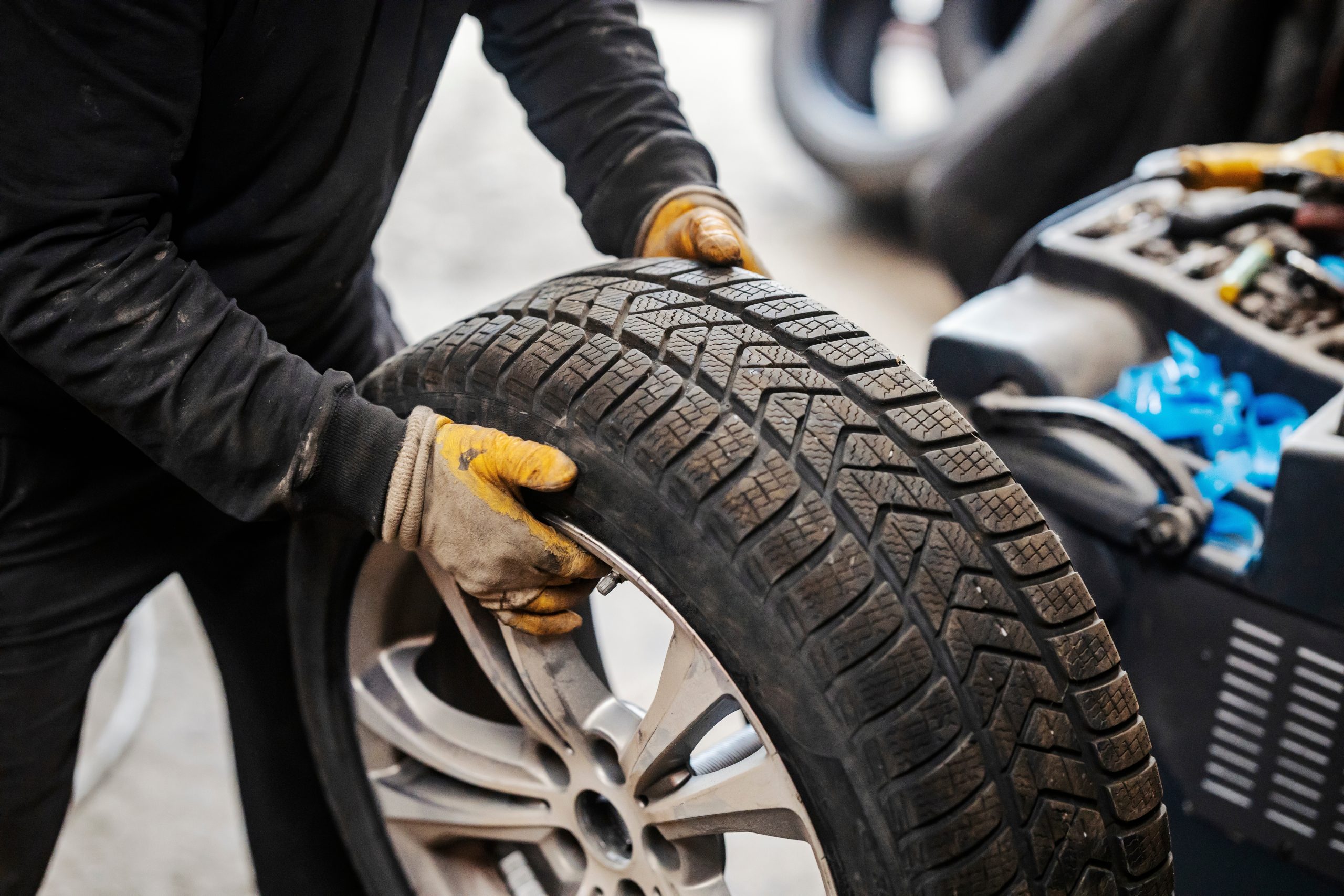
Consider the example from Call where a negligent tire repair company (non-motorist tortfeasor) caused the accident. If a negligent tire rotation causes a wheel to detach, resulting in serious injuries and substantial PIP payments, the PIP carrier may now have a direct claim against the tire shop. But if the insured files suit against the tire shop for pain and suffering and excess economic loss, the PIP carrier does not automatically have a statutory lien on that recovery. Unless one of the three § 500.3116 reimbursement categories applies, the carrier’s sole remedy is to quickly intervene and assert its own direct subrogation claim, file its own action, or preserve its claim through agreement. If the carrier does nothing more than send a series of lien letters, there is no lien to enforce.
The same issue can arise in many Michigan auto losses that historically may have been closed as “no recovery.” A defective product may cause a vehicle fire or crash. A repair facility may negligently service brakes, tires, steering, or suspension. A roadway contractor may leave an unsafe construction condition. A snow removal contractor may create or fail to correct an icy hazard that contributes to a collision. A premises owner may create a dangerous condition that causes a vehicle to lose control. A dram shop may overserve an intoxicated driver. A livestock owner may allow an animal onto the roadway. After Call, these are no longer automatic dead-end PIP files. They are potential direct subrogation files against non-motorist defendants. But they must be discovered, protected, and worked for. The quote by Thomas Edison is completely appropriate to subrogation in these circumstances: “Opportunity is missed by most people because it is dressed in overalls and looks like work.”
 The danger is timing. If the insured has not filed suit, the carrier may be able to control the recovery strategy by filing first against the non-motorist tortfeasor. If the insured has already filed suit, the opportunity is not necessarily lost. Call itself involved intervention in the insureds’ lawsuit. But the carrier must do more than assert a reimbursement interest. It should intervene or otherwise plead an affirmative direct claim against the non-motorist tortfeasor for the PIP benefits paid. This is why subrogation counsel must be engaged immediately in these situations. The pleading should make clear that the carrier is not seeking reimbursement out of the insured’s recovery under M.C.L.A. § 500.3116, but is pursuing the negligent non-motorist directly as a subrogee.
These files also require coordination with the insured. The insured may have legitimate claims for non-economic damages, excess economic loss, or other damages not paid by PIP. The carrier’s claim is for the benefits it paid. Both claims arise from the same tort, but they do not necessarily seek the same dollars. A joint prosecution agreement, intervention order, allocation agreement, or carefully drafted settlement structure may be necessary to prevent duplication, conflict, or a settlement that leaves the carrier without a practical recovery path.
The claims-handling takeaway is straightforward. Michigan PIP carriers should immediately screen every serious auto loss for non-motorist fault. Do not stop the analysis with the at-fault driver. Ask whether a repair facility, product manufacturer, road contractor, premises owner, snow removal contractor, dram shop, animal owner, or other non-motorist contributed to the accident. Determine whether the insured has retained counsel or filed suit. Preserve evidence. Put the non-motorist and its liability carrier on notice. Evaluate the statute of limitations. Decide whether to intervene, file directly, or obtain a tolling or joint prosecution agreement. Above all, do not assume that a lien letter preserves the claim.
Call created a meaningful Michigan PIP recovery opportunity, but it did not simply hand it to us. It is a litigation opportunity, not a passive reimbursement right. Carriers that identify and prosecute these claims early may recover dollars that were previously thought unrecoverable. Carriers that wait for the insured’s case to settle may learn too late that Michigan gave them a door to recovery, but not a lien to stand on.
For more information on Michigan auto subrogation, contact Donald Henderson, Jr., at dhenderson@mwl-law.com.