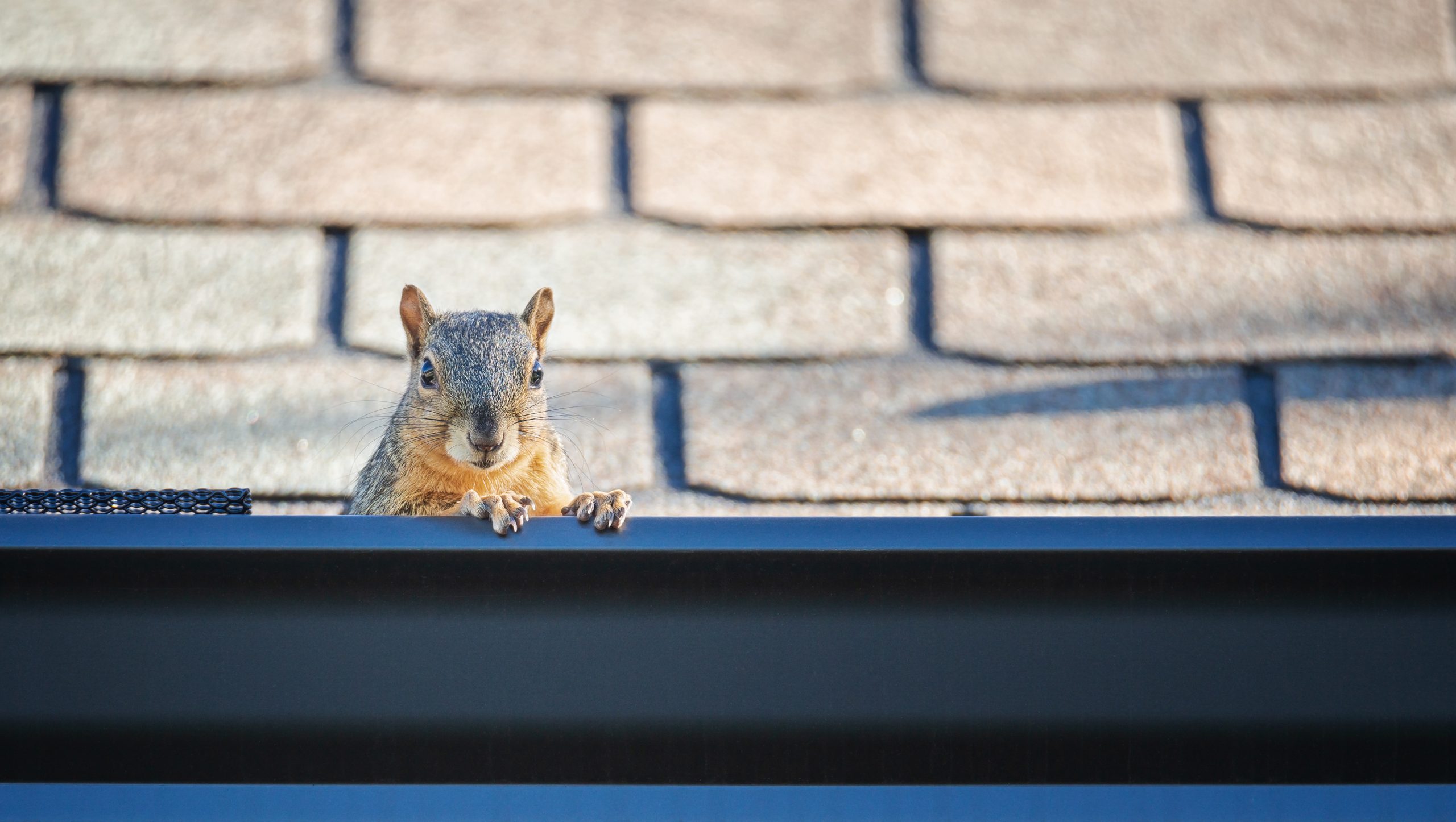
 A while back, I was involved in a case where some electricians had installed solar panels on the roof of a building to generate electricity. A few years after it was installed, there was a fire. Nobody really disputed how it happened; some rodent, most likely a squirrel, had been gnawing on electrical wires underneath the solar array, which caused the fire.
The lawyer I had been working with at the time didn’t see the solution. Before I got involved, he spent significant amounts of money on electrical engineers and fire investigation to tell us what nobody really questioned in the first place. He couldn’t see the cause of action. But the answer was simple.
Every good electrician knows that rodents are attracted to and chew on electrical wires. Their front teeth never stop growing, and they need to constantly gnaw on hard materials (like copper wire) to keep them filed down. The industry has known this for a long, long time. That may be where the euphemism, “rats’ nest,” came from to describe a tangled mess of electrical wires.
Not only was the risk foreseeable, I argued that the electricians also created the amplified risk by their installation methods. Solar panels generate heat, which is why they are mounted a few inches above the roof’s surface, to create airflow for cooling. But in colder months, you’ve created a heated (relatively) and covered space where squirrels can go to warm up a bit, and, enticingly, they’ve got some electrical wires to nibble on right there as well. It’s a clear and foreseeable risk, and thus, there is a duty to take reasonable care to mitigate it.
The solution is simple and cheap: mesh screening around the perimeter of the solar panel array. It allows airflow and keeps out pests, just like screens in your windows. In fact, at the time of the suit, there were products on the market designed specifically for that, but one could also just go to the hardware store and for a few dollars get dozens of square feet of mesh screening. Certainly reasonable, there is little justification for failing to do so.
The defendants argued “act of nature” and unfortunately, convinced the trial court that our expert opinions were not sufficient. After I got the trial court’s ruling reversed at the Court of Appeals, we were able to settle.
The point is not that this was a novel theory. It wasn’t. The point is that liability often hides in plain sight when a loss is dismissed as “one of those things.” Rodent damage to electrical wiring has been foreseeable for decades, and when an installation creates an environment that increases that risk, the failure to take minimal protective steps is no longer an act of nature—it’s a design and installation choice. For subrogation professionals, the lesson is straightforward. When solar arrays (or any improvements to real estate or specialty products) are involved, the inquiry should extend beyond cause and origin to whether the installer or product manufacturer accounted for well-known environmental risks and whether reasonable safeguards were omitted. Those facts can transform an assumed dead loss into a viable recovery.