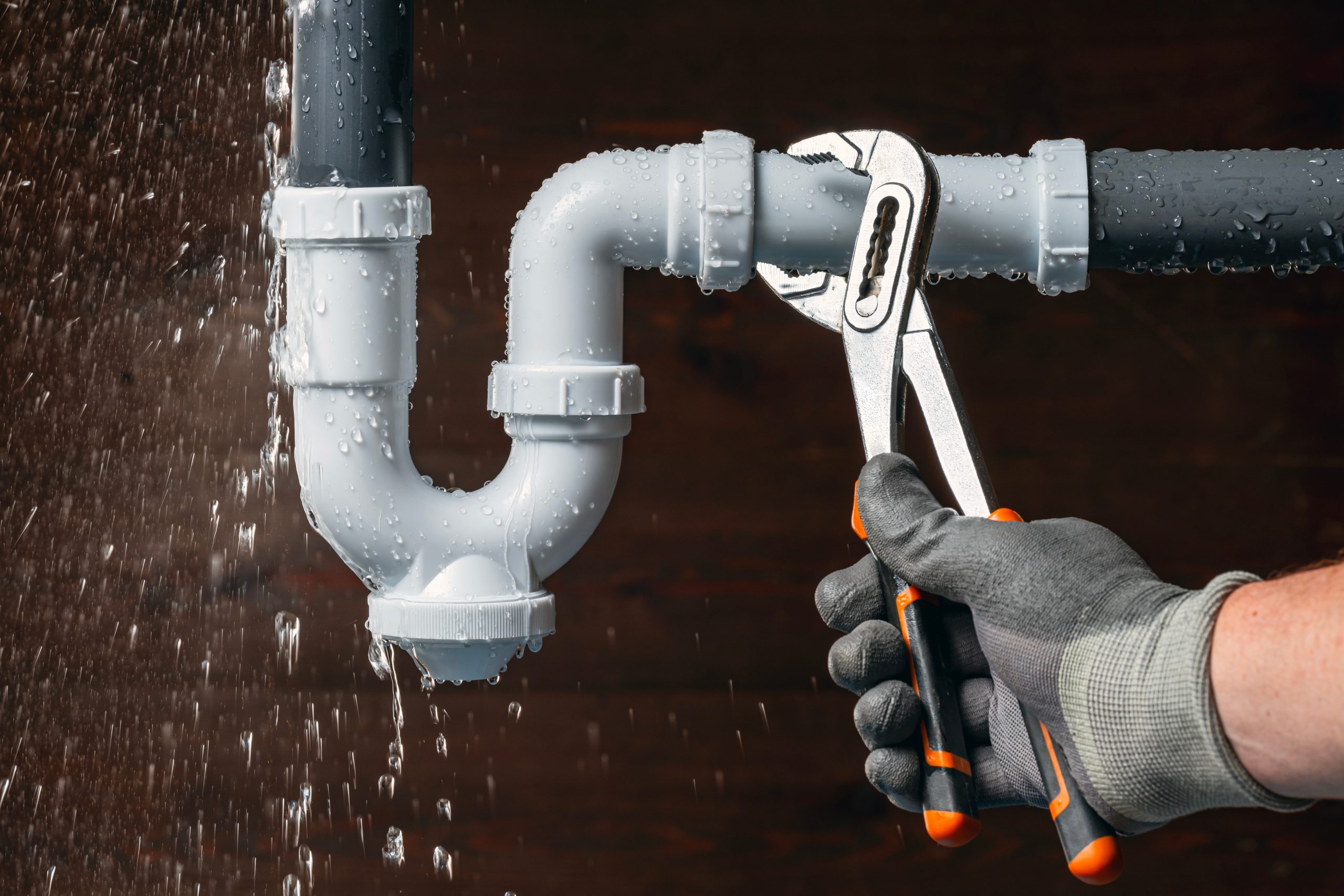
 When a hot water pipe ruptured in a luxury multi-unit development in New Jersey, it soaked more than drywall and hardwood—subrogation was on everybody’s mind. But things didn’t go according to plan. In 1410 Grand Adams, LLC v. Trematore Construction, LLC, 2025 WL 1742859 (N.J. Super. 2025), a case decided by the New Jersey Appellate Division on June 24, 2025, the court reminded insurers and subrogation professionals alike that when it comes to waivers of subrogation in construction contracts, clarity isn’t just helpful—it’s fatal.
This case stemmed from a March 10, 2019, water loss caused by an improperly installed compression ring on a domestic half-inch water line. The failure occurred late at night, flooding fourteen residential units and one common amenity space. The damage was so extensive that it delayed the issuance of a certificate of occupancy by nearly two months. Aspen American Insurance Company, which insured the property owner, paid $881,509.21 to its insured and then stepped into their shoes to pursue subrogation against the contractors and subcontractors whose negligence presumably caused the loss.
At first glance, the recovery looked promising. There was no dispute that the plumbing subcontractor—Affinity Mechanical Services—had performed the faulty installation. There was physical damage. There was a delay in project completion, and insurance payments exceeding $880,000. But then the walls caved in, legally speaking: a carefully worded waiver of subrogation buried deep in the subcontract documents proved to be the undoing of Aspen’s subrogation hopes.
In 1410 Grand Adams, the devil was in the subcontract details. The subcontract between the developer’s general contractor, Bijou Properties, and Trematore Construction, LLC, contained a broad waiver of subrogation. Section 8.8 waived all rights against each party and their subcontractors, including claims for damages “caused by fire or other causes of loss to the extent covered by property insurance.” In turn, the subcontract between Trematore and Affinity had an equally expansive waiver clause—Article 2.4—which extended to “the general contractor/owner/Trematore … [Corp.], the architect, the architect’s consultants, separate subcontractors, agents and employees,” again for losses covered by applicable property insurance. In other words, both layers of contracting parties had waived subrogation before the first pipe was even installed. Aspen’s $881,509 payment—though large—was, unfortunately, made under a policy that both the general contractor and subcontractor had contractually anticipated. Their agreements required each party to waive subrogation and secure endorsements, ensuring their insurers would do the same.
The court concluded that Aspen, having stepped into the shoes of its insured (the property owner), was barred from pursuing subrogation under the clear and unambiguous waiver clauses. These clauses were not incidental—they were part of the integrated project risk allocation, and Aspen was bound by its insured’s pre-loss contractual decisions.
For those of us in the trenches of subrogation, this case offers a stark reminder: waiver of subrogation clauses in construction contracts are enforceable, far-reaching, and increasingly difficult to circumvent. Courts in New Jersey, like many jurisdictions, have no interest in rewriting negotiated commercial agreements. This is particularly true where sophisticated parties allocate risk, transfer insurance obligations, and accept waivers as part of doing business.
The decision also illustrates a common mistake in claims handling: the assumption that negligence automatically equates to subrogation potential. Unfortunately, that is not always the case. When insurers indemnify a loss covered by property insurance, they must vet whether their insured has already waived recovery rights, intentionally or not. In construction losses, that means reviewing the primary contract, all downstream subcontracts, and the insurance provisions of each.
For Aspen and other carriers writing builder’s risk or property coverage in construction settings, the message is clear: Subrogation may be waived even before a hammer hits a nail. Sadly, if you’re late to that discovery, you may end up writing a large check you can’t chase.
We’re pleased to use this case as an opportunity to introduce Elizabeth “Liz” Peter, an experienced litigation attorney and the newest member of our growing subrogation team at Matthiesen, Wickert & Lehrer, S.C. Liz has joined MWL to head up our New Jersey office and will serve clients throughout New Jersey, New York, Pennsylvania, and the broader Northeast and New England region.
Liz brings over 20 years of experience, with deep roots in commercial, construction, and insurance subrogation litigation. She has represented clients in high-stakes property damage and liability cases, giving her a 360-degree view of subrogation strategy. Her knowledge of New Jersey law—and its often-quirky procedural and contract doctrines—makes her a valuable asset for any carrier or TPA needing local firepower. Whether it’s interpreting the enforceability of a waiver clause like the one in 1410 Grand Adams, navigating New Jersey’s lien laws, or coordinating filings in multi-state litigation, Liz is ready to jump in and take the reins.
New Jersey law is as nuanced as it is fast-paced, and the 1410 Grand Adams decision proves how easy it is for subrogation opportunities to slip through the cracks, especially when waivers and endorsements are baked into multiple layers of construction documents. Having the right local expertise is no longer optional.
If you have questions about New Jersey subrogation, need file referrals reviewed, or need quality subrogation representation in the Northeast or New England, reach out to Liz at epeter@mwl-law.com.
At MWL, subrogation is what we do, and now, we do it better than ever in the Garden State.